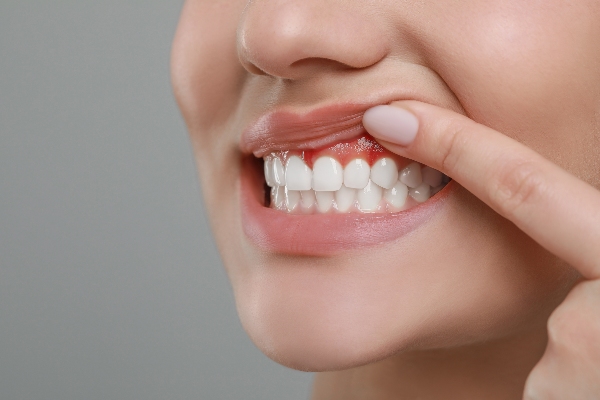
 Gum disease is a common oral health issue that can wreak havoc on the mouth if left untreated. Early detection and appropriate treatment can prevent severe complications, including tooth loss and systemic health concerns. Understanding the options for gum disease treatment can help patients make informed decisions about their oral health care.
Understanding gum disease
Gum disease, or periodontal disease, begins with inflammation of the gingiva (gums) caused by plaque and tartar buildup. Without timely intervention, this condition can progress to periodontitis, which affects the bone and tissues supporting the teeth. Symptoms of this disease include redness, swelling, bleeding during brushing, bad breath, and gum recession. These signs indicate the need for immediate evaluation and gum disease treatment to prevent further damage.
Non-surgical treatments for gum disease
The initial stages of gum disease, known as gingivitis, can often be treated with non-surgical methods. Scaling and root planing is a deep cleaning procedure that removes plaque and tartar below the gumline while smoothing the tooth roots to discourage bacteria buildup. Dentists may also recommend antimicrobial therapies, such as medicated mouthwashes or localized antibiotics, to eliminate infection and reduce inflammation. Consistent follow-ups are vital, allowing the dentist to monitor progress and ensure the condition does not return.
Advanced gum disease treatment options
The dentist may need to recommend more advanced gum disease treatments for more severe cases. They may perform surgical techniques such as flap surgery or pocket reduction to remove deep-seated bacteria or gum tissue, improving function and aesthetics. Note that the dentist may need to collaborate with a gum specialist, also known as a periodontist, to coordinate an advanced treatment plan for optimal outcomes.
The importance of early intervention
Addressing gum disease in its early stages significantly reduces the likelihood of tooth loss and other complications. Early intervention improves oral health and contributes to overall well-being. In fact, untreated gum disease has been linked to systemic issues such as heart disease, diabetes, and respiratory problems. Regular dental checkups allow dentists to identify early signs of gum disease and recommend appropriate gum disease treatment before the condition escalates.
Maintaining healthy gums after treatment
After undergoing the appropriate gum disease treatment, regardless of the type, patients must maintain a diligent oral hygiene routine. They are encouraged to brush twice daily, floss regularly, and use antimicrobial mouthwash as the dentist advises. Regular dental visits for cleanings and evaluations ensure that gum health remains stable over time. Adopting healthy habits, such as a balanced diet and avoiding tobacco, also plays a crucial role in preventing the recurrence of gum disease.
Get ahead of gum disease
Effective gum disease treatment requires early detection, professional care, and a commitment to maintaining oral health. A general dentist is equipped to provide a range of treatment options tailored to the severity of the condition. By addressing gum disease, patients can protect their smiles and improve their overall health. If you are ready to get ahead of gum disease, contact Marea White, DDS and schedule an appointment.
Request an appointment or call Marea White, DDS at 817-803-4691 for an appointment in our Bedford office.
Related Posts
Your general dentist may suggest a gum disease treatment to enhance oral health. Preparing well for this visit is necessary. Part of getting ready is knowing what to avoid doing. Below are some things you must not do during your gum disease treatment.After the gum disease treatment, the dentist will share some aftercare instructions. One…
You can get a gum disease treatment from your general dentist to target the cause and treat the symptoms. Non-invasive and invasive treatments are available to achieve the desired results. Studies reveal that healthy gums can enhance your general health. Understanding the effects of proper gum disease treatment on better whole-body wellness can motivate you…
Maintaining oral health after gum disease treatment supports healing and helps reduce the chances of recurring again in the future. Adopting a consistent oral hygiene routine is one of the most effective ways to promote gum health and protect the improvements made during treatment. With a few tips from a general dentist, making a habit…