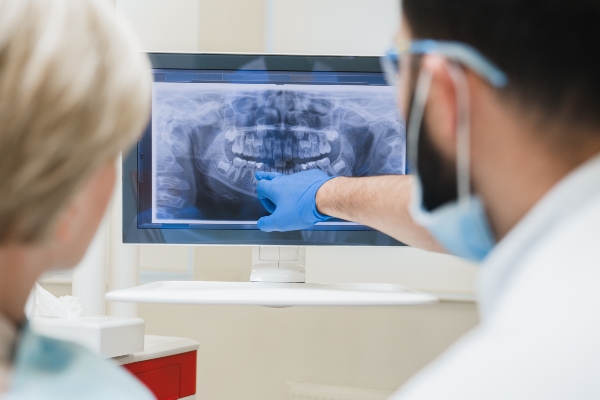
 Early gum disease treatment for those whose gums are starting to degrade can mean the difference between keeping your teeth and needing replacements later. You may think of good oral healthcare as just brushing your teeth and flossing, but taking care of the gums is equally important.
Treating gum disease when it starts is simple. Patients should not neglect treatment while their gum disease is in its earliest stages.
Treat gum disease early for best results
Gum disease is a condition in which inflammation and minor infection can take root in the gum tissue, typically where the gums meet the teeth. Also called gingivitis, gum disease is highly treatable as long as it is addressed early. By treating it, patients can benefit from the following.
Keep teeth stable
The gums serve as a supportive structure that keeps the teeth in place. While the tooth roots are attached to bone, a lack of gum tissue leaves the teeth loose in their sockets. Gum disease can lead to gum recession, in which the gums pull away from the teeth. Therefore, treating gum disease early preserves a healthy amount of gum tissue to support teeth.
Prevent irreversible damage
The earliest stage of gum disease, gingivitis, is reversible with good oral hygiene and a bit of help from the dentist. However, if left untreated, gingivitis progresses into periodontitis, a more severe form of inflammation that is permanent.
Treating gum disease at its onset can prevent patients from developing periodontitis, which requires more invasive techniques, such as scaling and root planing to address. These treatments can involve cutting into the gum tissue to peel it away from the teeth, polishing the tooth roots themselves, and then reattaching the gum tissue.
Avoid pain and irritation
Gum disease causes the gum tissues to become inflamed and irritated, often due to the presence of plaque and tartar at the gumline and acids produced as waste by bacteria. For patients, this can lead to sore gums that are sensitive to the touch. They may bleed easily and make brushing and flossing uncomfortable. In the worst cases, infection from gum disease can lead to abscesses within the oral cavity. Treat gum disease as soon as it appears to restore the gums’ resilience and make oral healthcare more comfortable.
Get gum disease treatment
Gum disease treatment is simple, as it usually only requires a thorough cleaning from the dentist and increased vigilance with at-home care. However, enabling gingivitis to progress leads to periodontitis, which is a lifelong condition that threatens the health of the entire oral cavity.
Protect your mouth by seeking early gum disease treatment while the problem is still simple to solve. You will keep your teeth stable, stop inflammation and pain, and prevent irreversible damage to your mouth. Our dentist can address budding issues with gum disease before they worsen or answer any questions that you have about the process. Contact our office to schedule your appointment!
Request an appointment or call Marea White, DDS at 817-803-4691 for an appointment in our Bedford office.
Related Posts
A successful gum disease treatment is important for your oral health. Restoring the health of gums and teeth needs the right procedure and maintenance. It also needs mindfulness after the appointment. Understanding what you must do to support your gum disease treatment results can help prevent complications.Keeping an eye on one’s oral care habits is…
Maintaining excellent oral health is essential to avoid gum disease treatment and its potential complications. Gum disease, or periodontal disease, is a common but preventable condition caused by plaque buildup on teeth and gums. Untreated gum disease can lead to gum inflammation, tooth loss, and even systemic health concerns. By adopting a proactive approach to…
Gum disease treatment addresses the underlying causes of gum inflammation and infection to restore oral health. Among the most effective procedures for combating this condition is a deep cleaning called scaling and root planing. This non-surgical treatment helps target plaque and tartar buildup beneath the gumline, contributing to the condition's progression.Gum disease (periodontal disease) is…